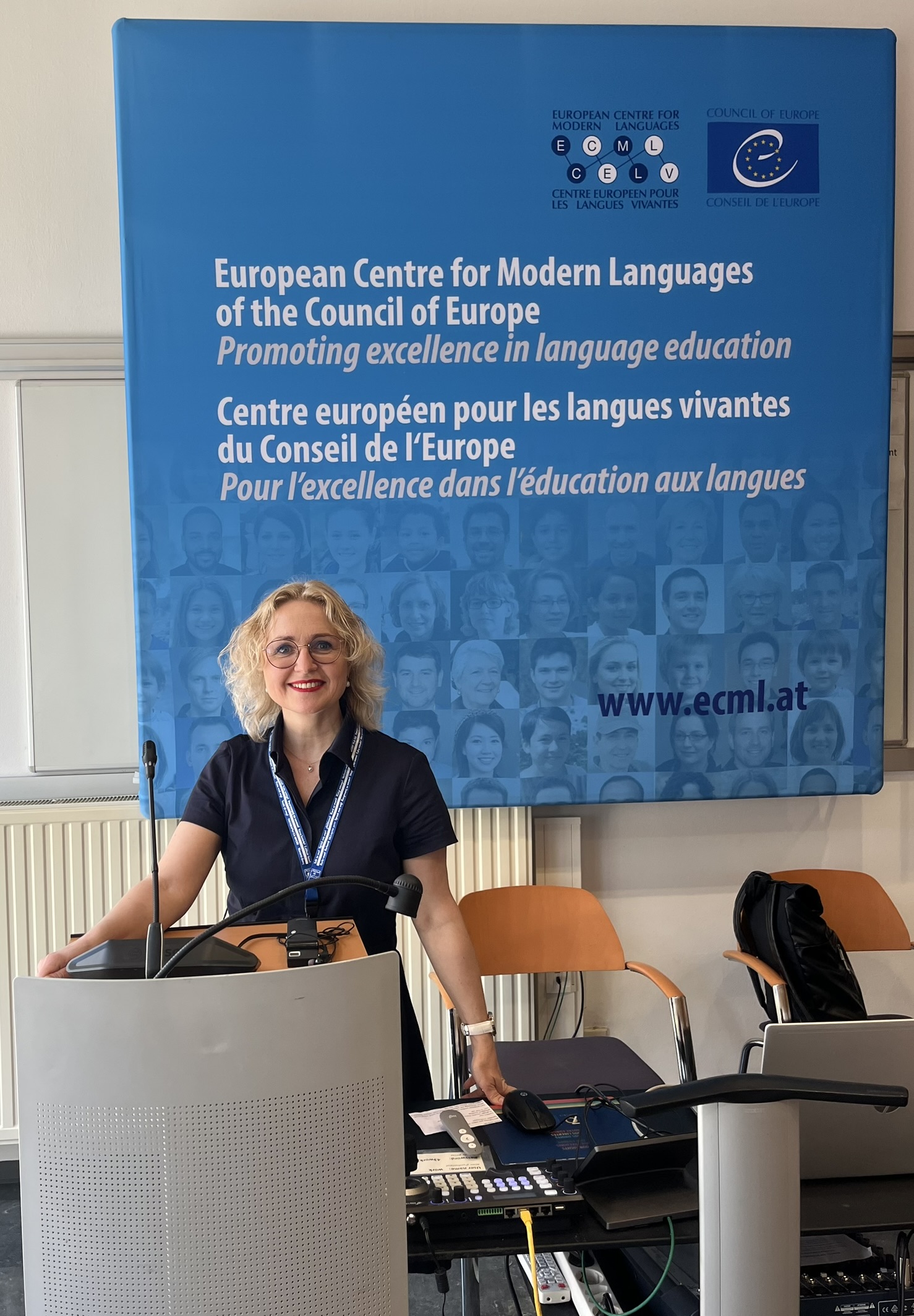
Kristina Urbonienė, LAKMA president
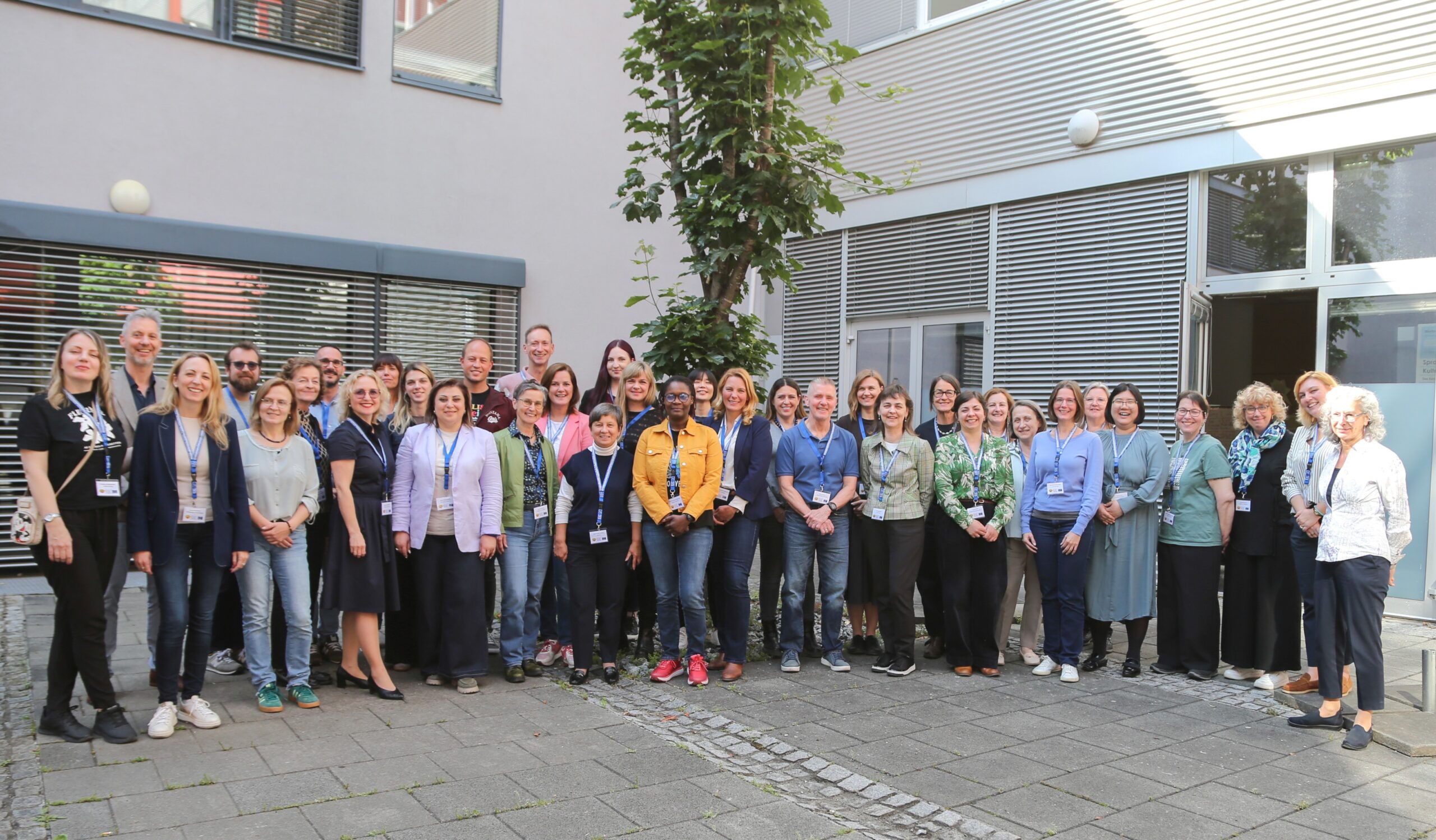
On 19–20 May, the European Centre for Modern Languages (ECML) in Graz, Austria, brought together foreign language teachers and experts from 28 European countries for the practical workshop “Pluriliteracies for Global Citizenship – Deeper Learning in the Foreign Language Classroom (PlurilitCit)”. The workshop explored innovative approaches to foreign language education based on the principles of pluriliteracies, deeper learning, and global citizenship.
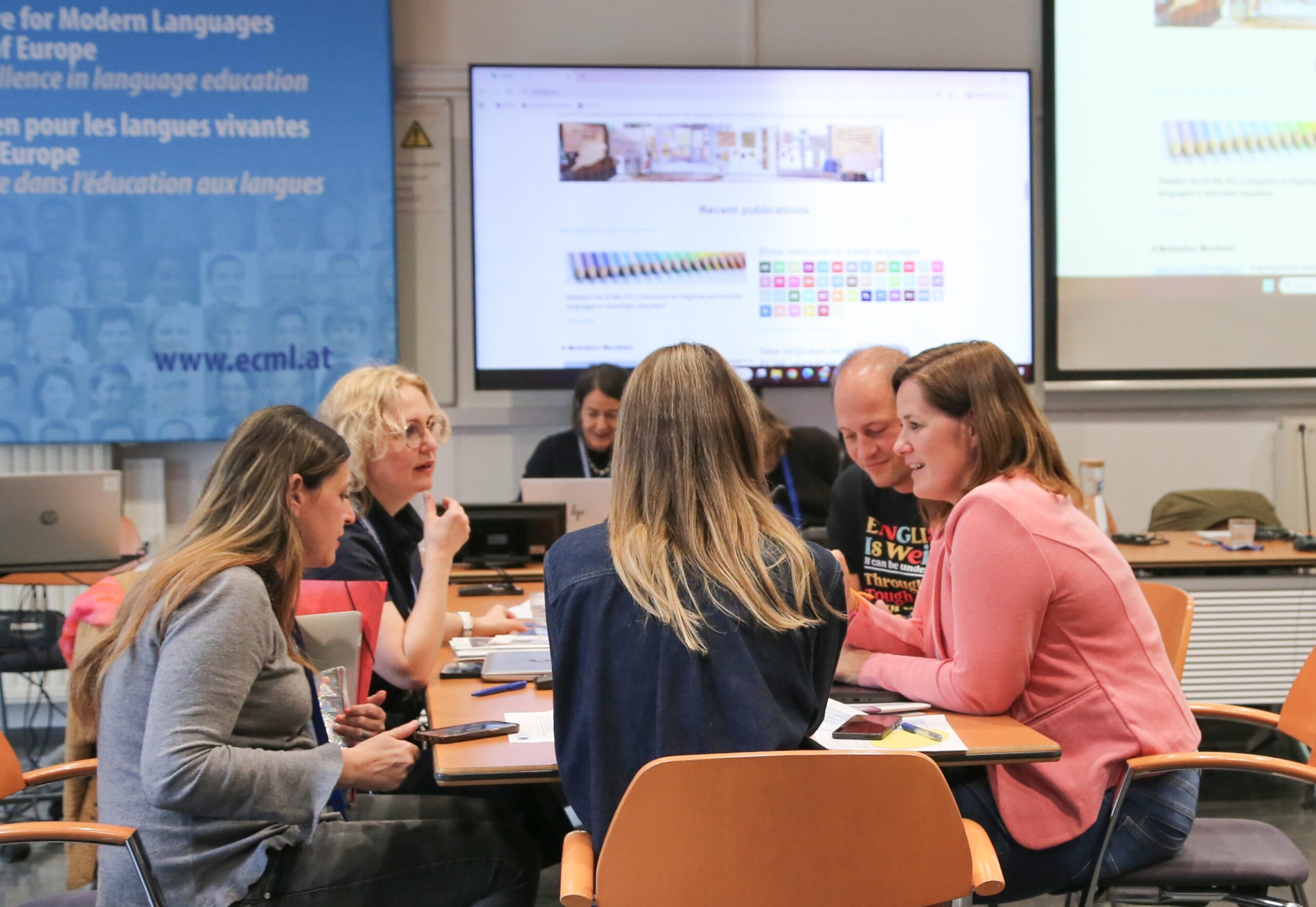
During the workshop, participants were introduced to the theoretical foundations of the PlurilitCit project and their practical application in educational settings. Particular attention was given to the newly developed 4Rs model, which consists of four stages: Reading, Repositioning, Reflecting, and Responding. Through interactive presentations, discussions, and hands-on activities, participants examined how foreign language classrooms can become spaces for deeper conceptual learning, the development of critical thinking, the strengthening of empathy, and responsible civic engagement.
The workshop also showcased the design of so-called Deeper Learning Episodes, which enable learners not only to acquire linguistic knowledge but also to engage meaningfully with contemporary global issues. Participants analyzed and designed lesson examples, explored multilingual and multimodal resources, and discussed ways of integrating the 4Rs model into curricula and everyday teaching practice. The 4Rs model proved to be a highly valuable approach, offering a clear and practical framework for planning learning activities that combine language development with the cultivation of critical thinking and citizenship competences. The progression from text comprehension to understanding different perspectives, personal reflection, and meaningful action reflects a pedagogical direction that is particularly relevant to contemporary language education.
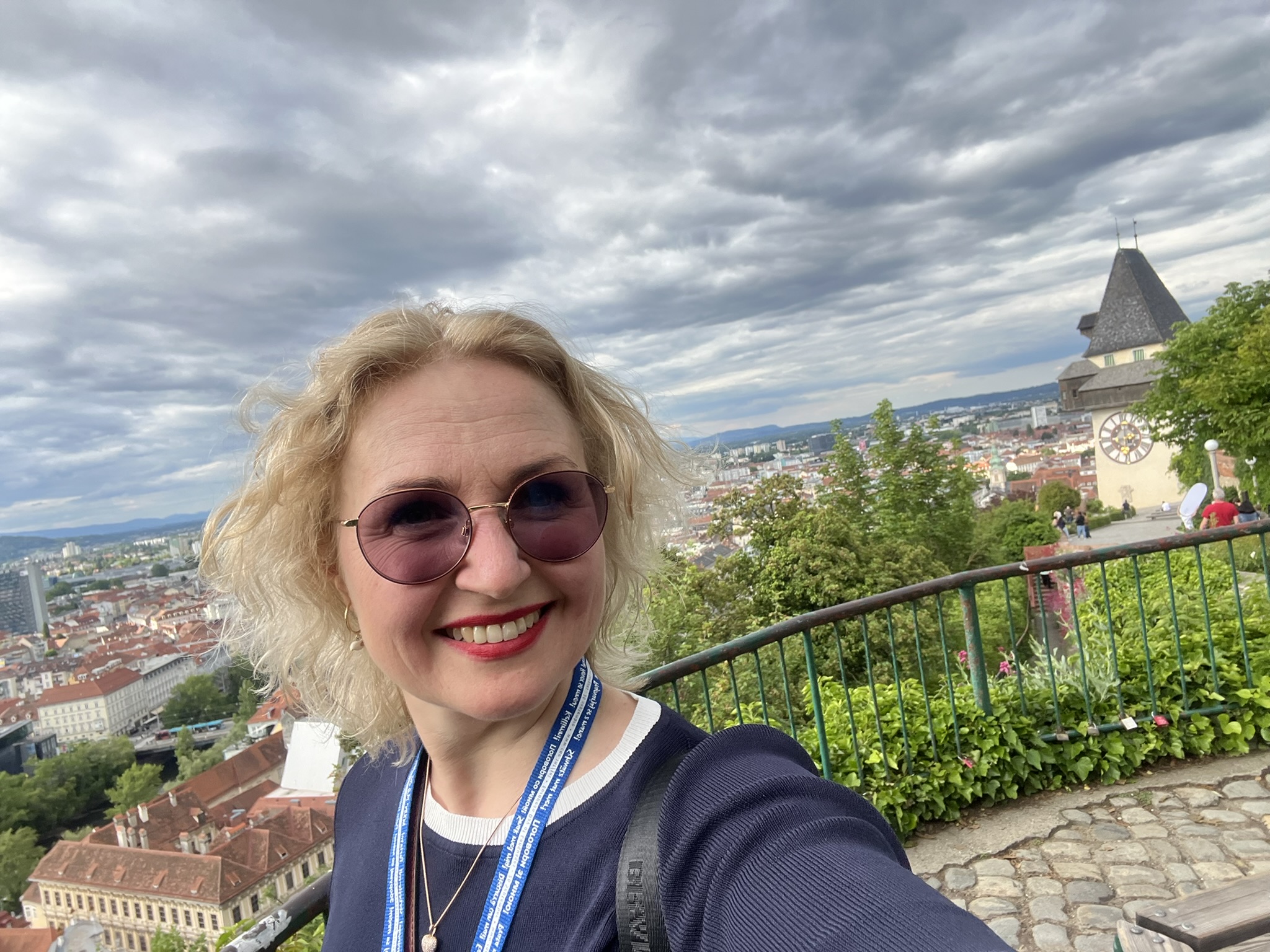
As a participant, I was especially impressed by the emphasis placed on multiperspectivity and the critical evaluation of information sources. The workshop demonstrated how language learning can help students analyze diverse viewpoints, identify bias, and engage in constructive discussions on complex global issues. The practical examples provided valuable insights into how theoretical concepts can be successfully translated into classroom practice through coherent and engaging learning activities. Equally beneficial was the exploration of multimodal literacy and authentic communication. The workshop vividly illustrated how students can work with a variety of texts and media while simultaneously deepening their subject knowledge and developing their communicative competences. Professional exchanges with colleagues from different countries and educational contexts provided fresh ideas and inspiration for future teaching practice.
This workshop broadened my professional horizons and encouraged me to view foreign language education even more strongly as a powerful tool for developing responsible, critical-thinking, and active citizens of contemporary society.
I intend to apply the knowledge and ideas gained during the workshop in my own professional practice by integrating the principles of the 4Rs model into both teaching and teacher professional development activities. My goal is to design learning experiences that encourage students to analyze texts more deeply, understand multiple perspectives, and engage meaningfully with current global issues.