Fulbright TEA (Teacher Excellence Achievement) program 2025
September – October, 2025 by Irena Laužadienė, expert teacher of English at Rokiškis RomuvaGymnasium
Dreams do come true. Participation in the Fulbright TEA (Teacher Excellence Achievement) program was one of them.
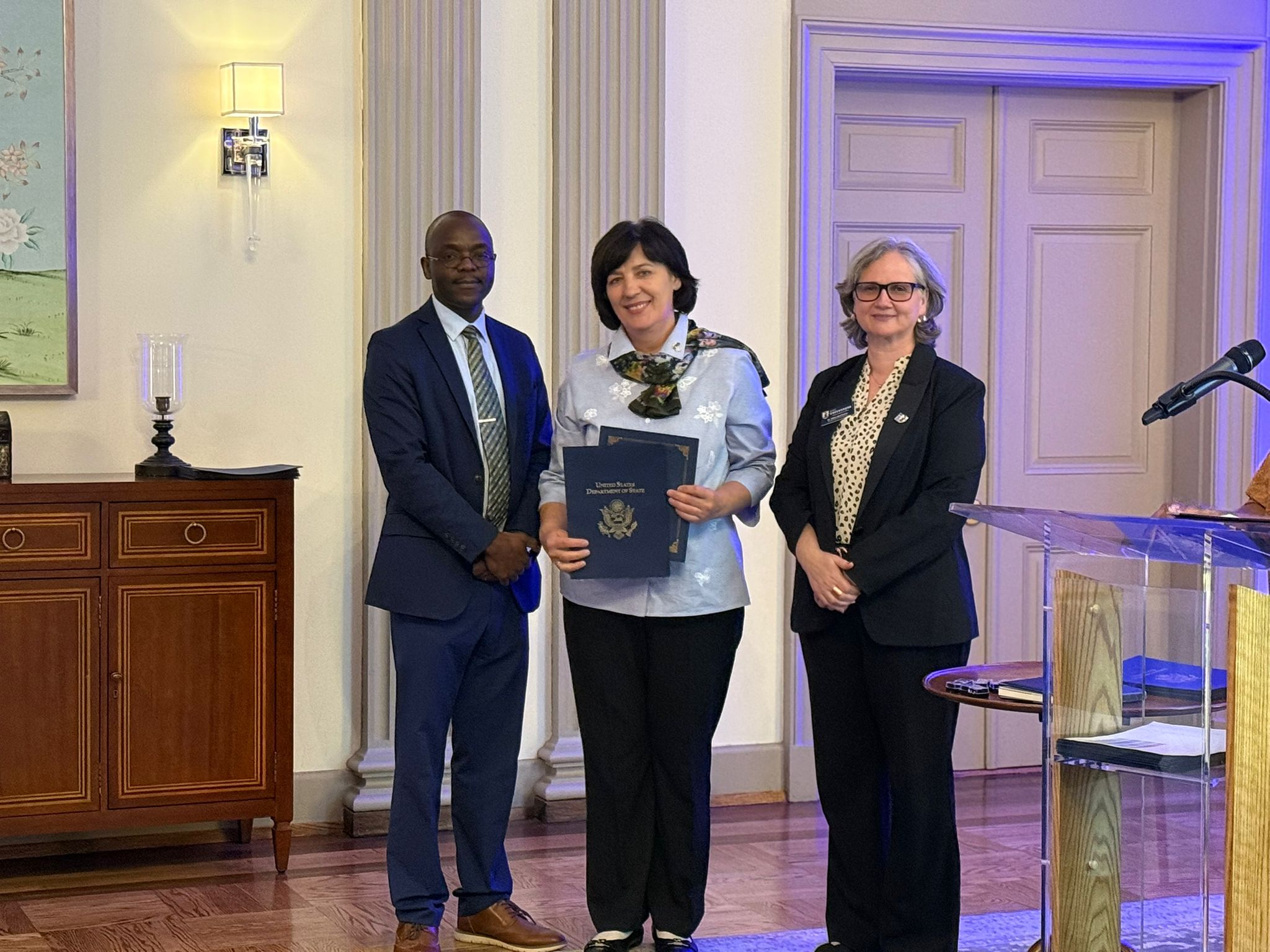
I can be proud. In my hand – certificates confirming completion of the program, in my head – ideas and thoughts for new activities, in my heart – warm feelings for new friends. When, almost two years ago, encouraged by like-minded people from LAKMA (Lithuanian Association of English Teachers) and driven by curiosity, I filled out the application form, I had little idea what an invaluable experience awaited me. The Fulbright Teacher Exchange Program is one of the initiatives supported by the US Department of State, bringing together primary and secondary school teachers from around the world to the US (and vice versa) for professional development, cultural exchange, and collaborative learning. Programs such as Teaching Excellence and Achievement (TEA) provide opportunities for international teachers to participate in academic seminars, observe US schools, and share their experiences in areas such as English, mathematics, natural sciences, and social sciences. This program is sponsored by the U.S. Department of State’s Bureau of Educational and Cultural Affairs (ECA), funded by the U.S. government, and administered by IREX.
There were 3,300 applications for the 2025 spring and fall sessions, and 174 were funded. Eighty-seven teachers participated in the fall session, gaining knowledge and broadening their horizons at four U.S. universities.
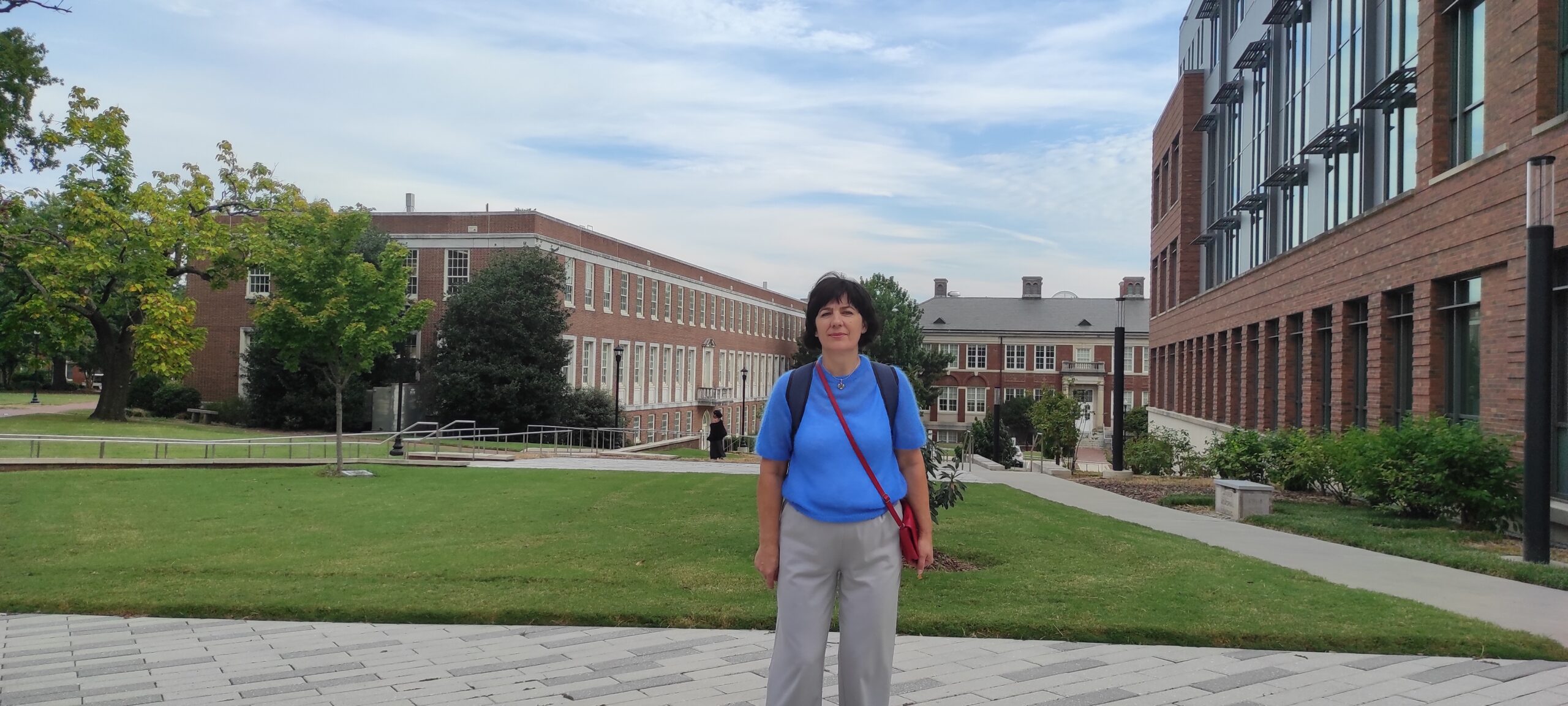
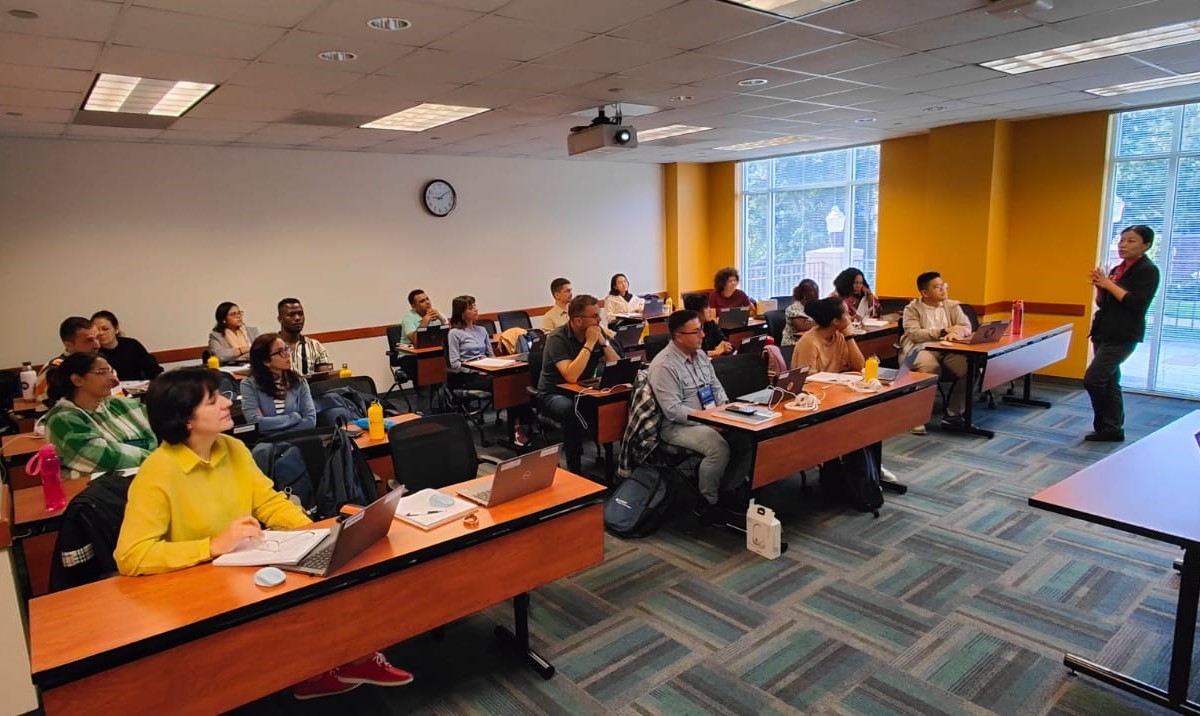
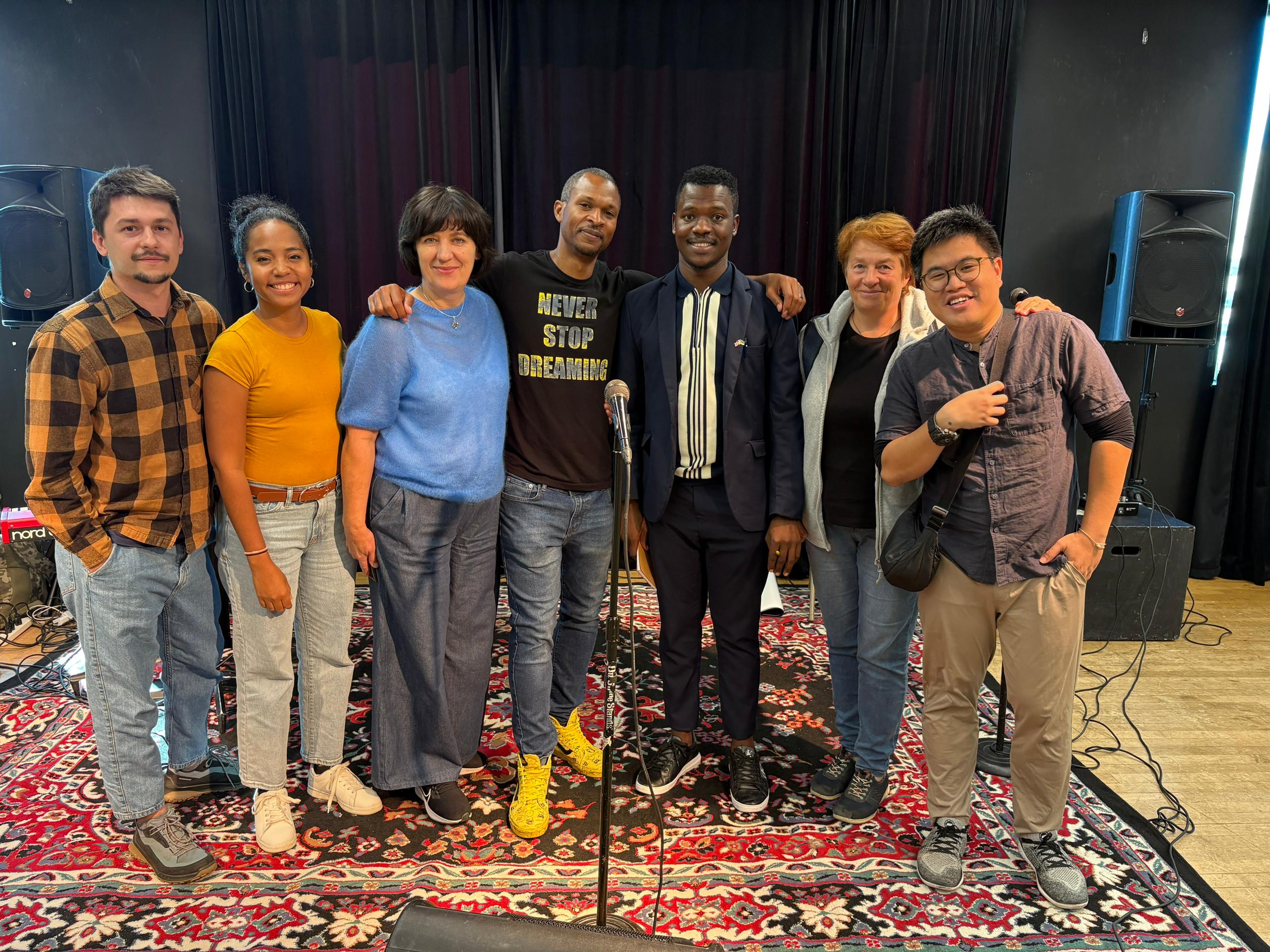
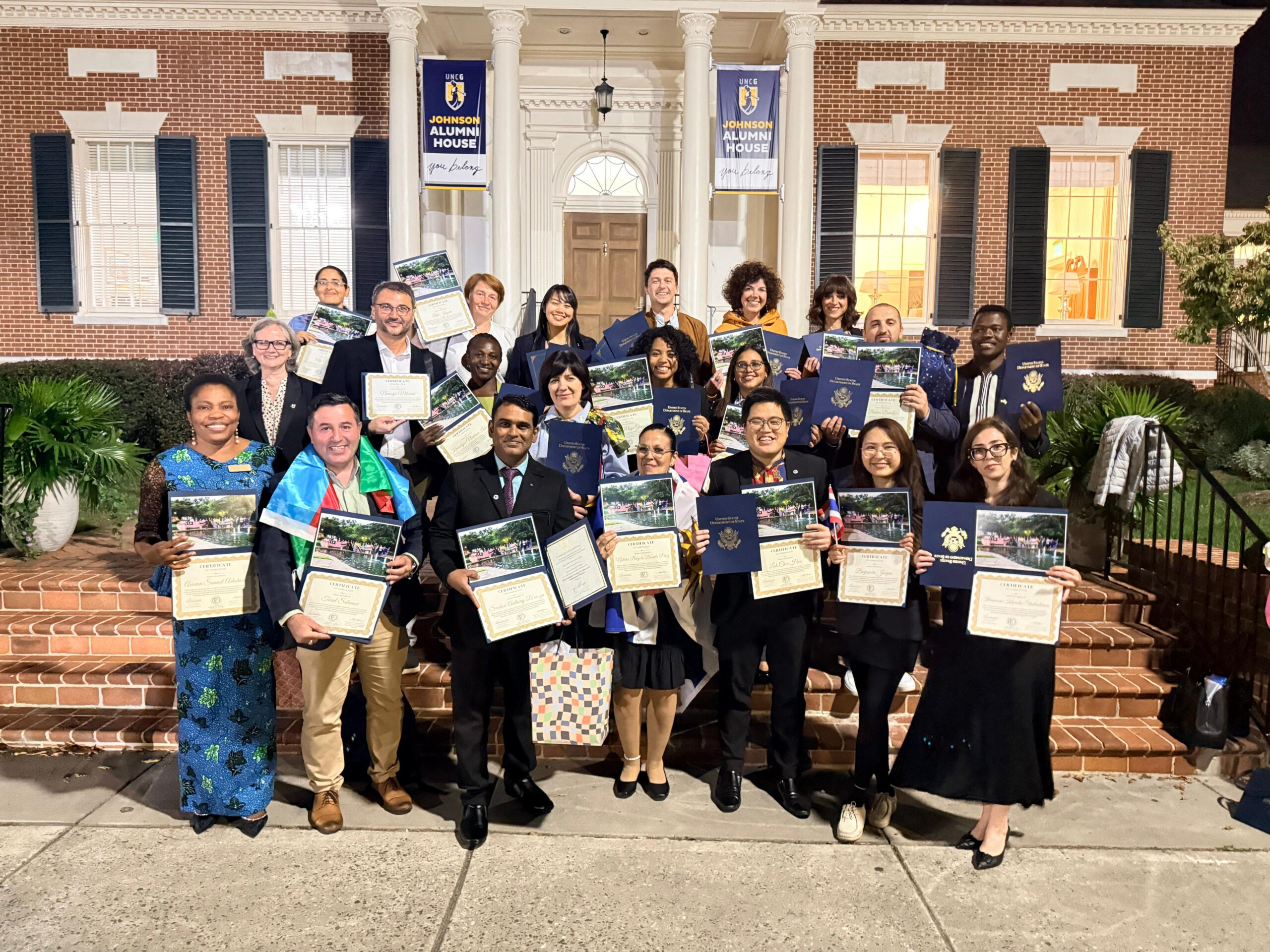
I was among 20 participants from 18 countries around the world (Panama, Thailand, Mozambique, Malaysia, India, Uruguay, Georgia, etc.) who attended the University of North Carolina at Greensboro (UNCG). This university has more than 18,000 students and offers about 125 fields of study. For more than six weeks, I had to be a student: not be late, listen to the lecturers, engage in discussions, and complete certain tasks. When a group of 18 representatives from different countries around the world, each with their own culture and experience, come together, learning takes on an international value that goes beyond the walls of the classroom. The specifics of a multicultural environment teach flexibility and tolerance.
The program’s activities included academic classes, civic, social, and cultural activities, and getting to know the American education system by visiting schools, observing and teaching classes, and interacting with teachers and students.
During the academic sessions, the most relevant topics in education and society today were addressed: intercultural communication, content-based experiential learning, the use of digital platforms and tools in learning and teaching, information literacy, inclusive education, sustainable development, the use of AI in education, and cyber security.
In professor K. Hytten’s lectures on the philosophy of education, we discussed the goals of education, why we learn certain subjects, whether it is possible to be a good teacher without a philosophy of education, whether it is possible to foster responsibility in young people without allowing them to put it into practice, the difference between a good student and a good learner, and the difference between “making a living and making a life.” “Less teaching, more learning” is the principle of student-oriented teaching.
We shared our thoughts on good teaching and the impact of students’ emotional well-being on their learning progress. It turns out that difficulties in mathematics also have a negative impact on language learning. We delved into the intricacies of lesson planning and classroom management. We exchanged classroom management strategies that help control misbehaving students: positive behavior narratives, diversifying mental activity with physical activity, etc. We also discussed the importance of acting in learning and in life. It turns out that acting can be very useful in overcoming internal problems and fatigue. In acting, everyone, even without knowing how, can be something more than they are, do things that may not even exist, and this liberates and nurtures every person. We had an incredibly fun time participating in the educational program “The Art of Words,” where poetry was intertwined with music, and we learned to listen and pay attention, to look for hidden messages, and to create our own versions of given poems: “Poetry is life, and life is poetry.”
The program focused heavily on familiarizing us with the American education system. In the lectures, we learned that the US does not have a unified education system; each state has its own. US schools are characterized by a multicultural environment: the emphasis is on teaching through the student’s cultural awareness, and attention to their culture helps them to better adapt to the learning environment and learn more successfully. However, there are still signs of racism towards dark-skinned people, and the stereotype that the darker the skin, the lower the achievements, is still prevalent. Schools place great emphasis on communication with parents and community spirit: movie nights and celebrations are organized.
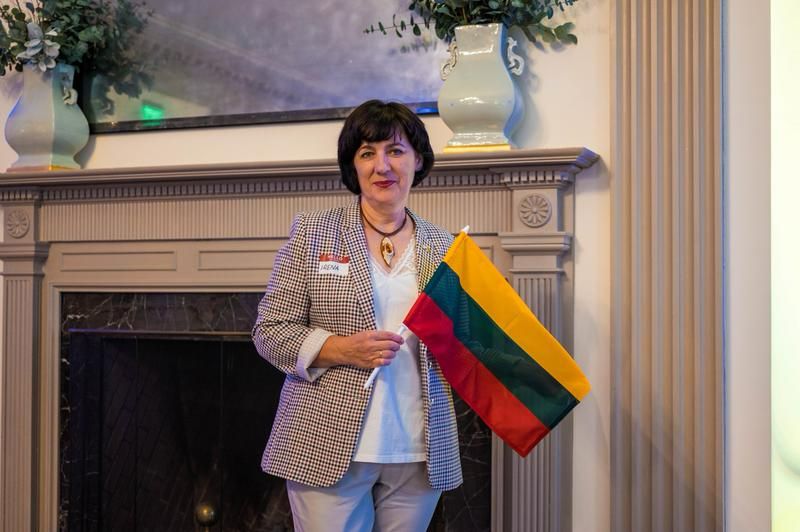
Each intern had the opportunity to observe school activities and teach classes themselves. My experience is related to a small immigrant school in D. Henderson: it has about 150 students (the number has decreased due to immigration policy in the US) and about 20 teachers. Each subject teacher teaches not only their subject, but also English, which is necessary for the student to understand the subject itself. If the teacher knows Spanish, Arabic, or another language in addition to English, that is a big advantage. Students study here for a year and then transfer to regular schools. I presented my country to three classes of students at this school. Most of them heard about Lithuania for the first time, but I hope that the Lithuanian words “Labas” (hello), “Ačiū” (thank you), and “Viso gero” (goodbye), as well as the name of Vilnius, will stay with them for a long time. It is not surprising that both teenagers and adults have very poor knowledge of geography, as they do not study this subject at school. Only 1 in 5 students choose to learn another foreign language. However, there are schools where teaching is conducted in more than one language, e.g. one week instructions are given in Spanish, the next in French.
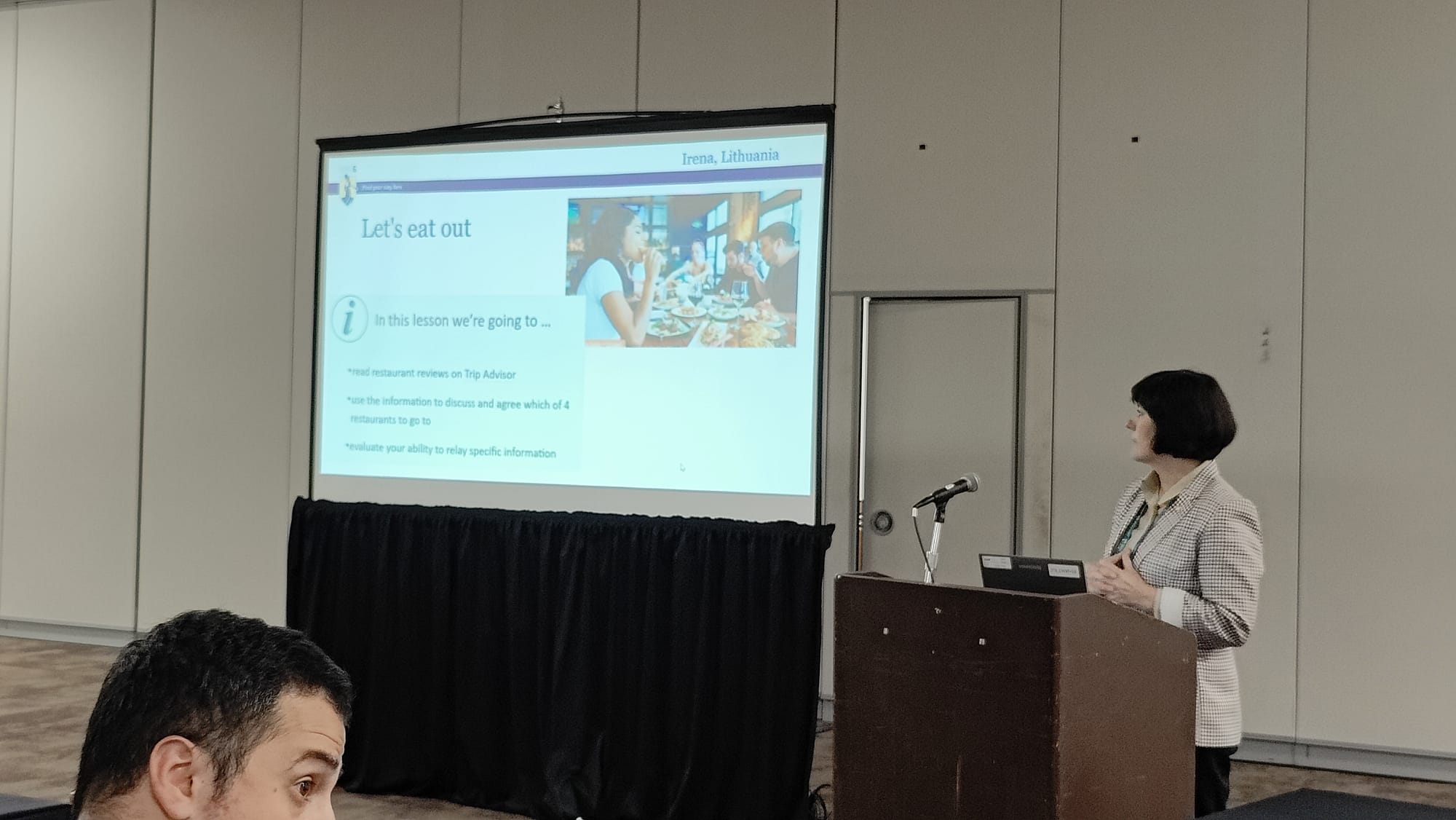
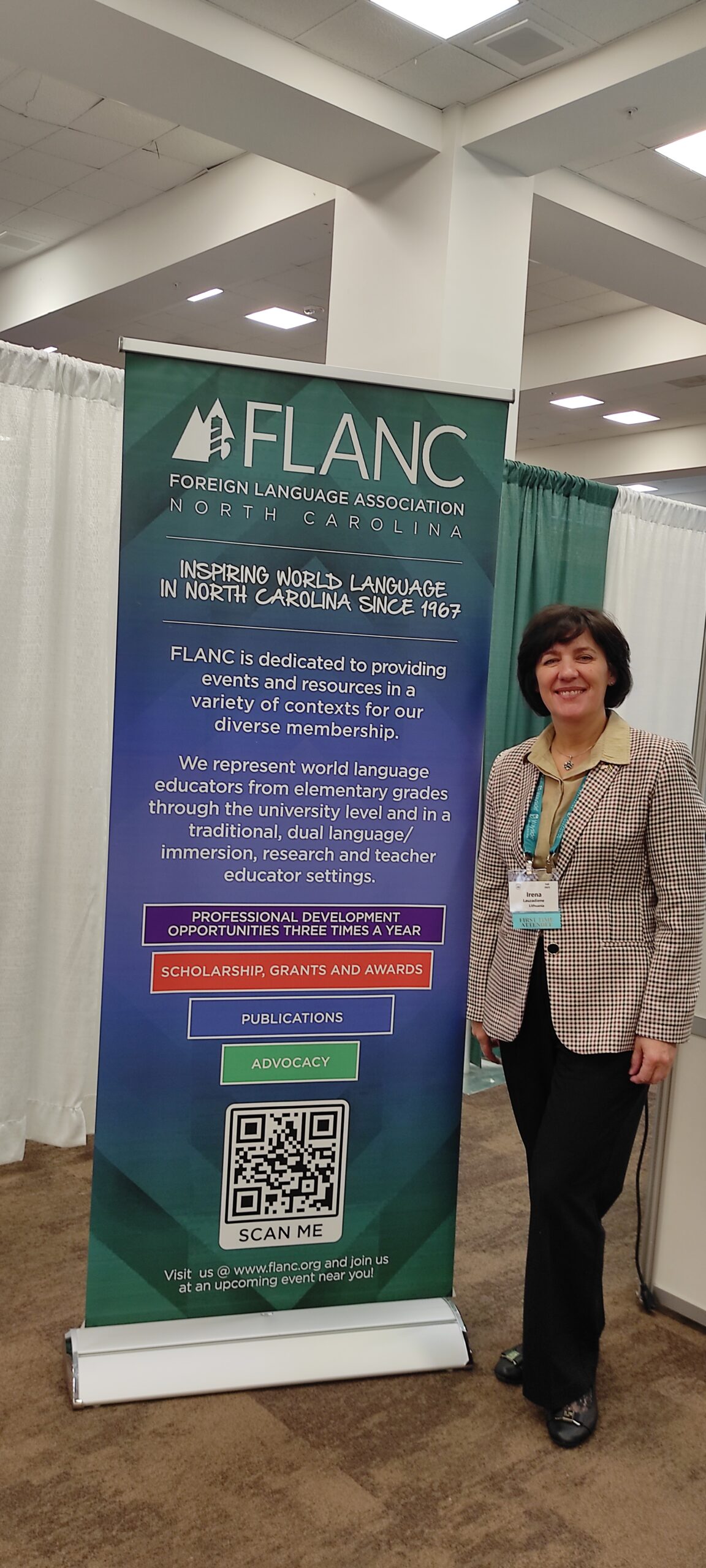
Participating in the FLANC (Fostering Language Acquisition in North Carolina) conference for foreign language teachers in North Carolina was also a wonderful experience. Not only did we participate in the sessions, but we also prepared a presentation entitled “The Voices of Educators Around the World.” In my presentation, I talked about communication activities for improving mediation skills and shared the knowledge and practice I had gained in the Prelim3 project working group.
In schools, I observed teachers working together, with more than one teacher often working in a lesson, and teachers paying extra attention to students with physical disabilities. The schools are well-equipped with teaching and learning resources: each student receives a laptop computer, which they use both at school and at home. Students have excellent facilities for sports, music, and creativity, and all students receive breakfast and lunch at school. Schools create a safe environment: metal detectors, baggage scanners, and ID screens are used. This is probably why we did not see any students smoking anywhere.
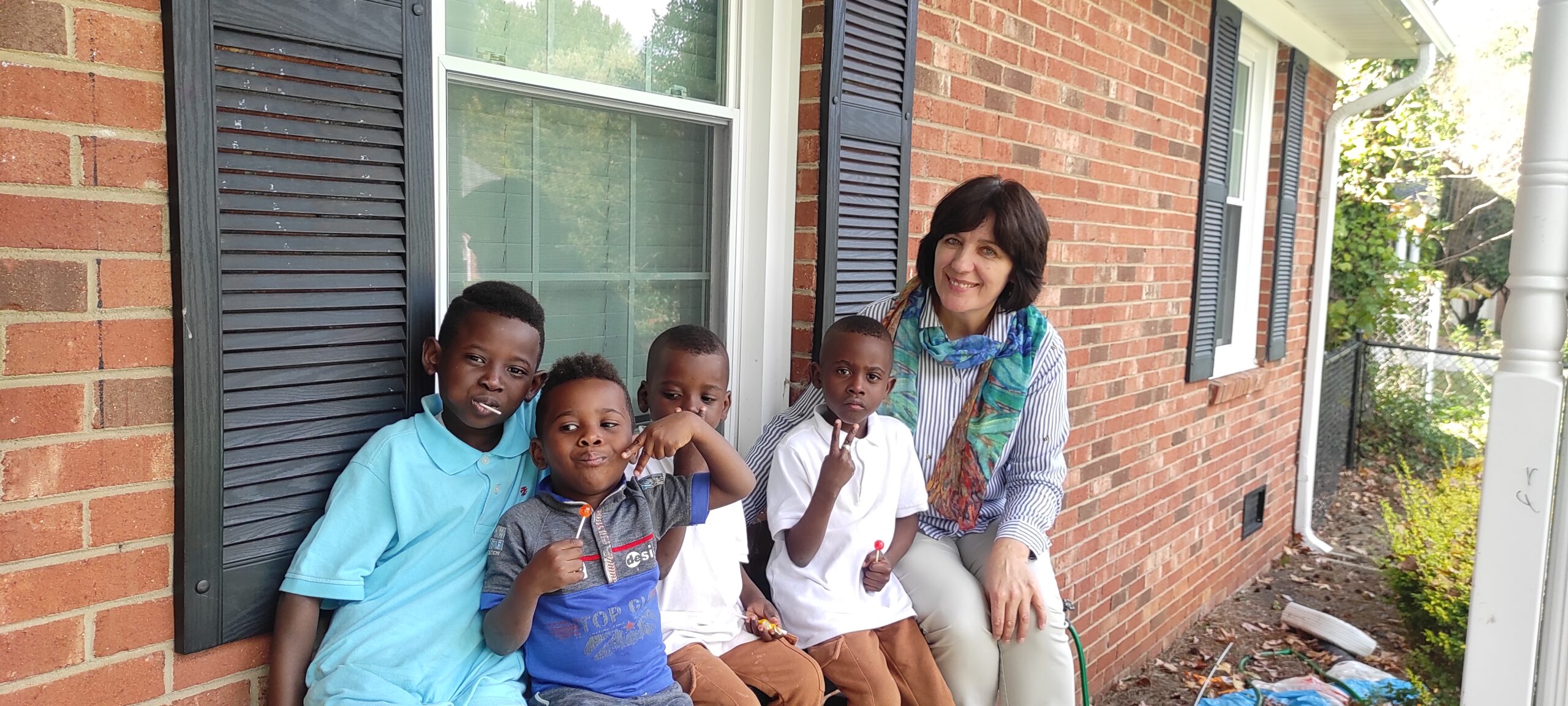
Alongside academic activities, it is worth mentioning cultural and social events: discussions about democracy and community spirit, discussions with university scholarship holders and future teachers, visits to Sudanese House and new North Carolina residents and community empowerment centers, where we sorted food products and distributed them to families who came to the center. We also participated in the Homecoming celebration and meetings with representatives of the Greensboro City Council and the Guilford County School Superintendent.
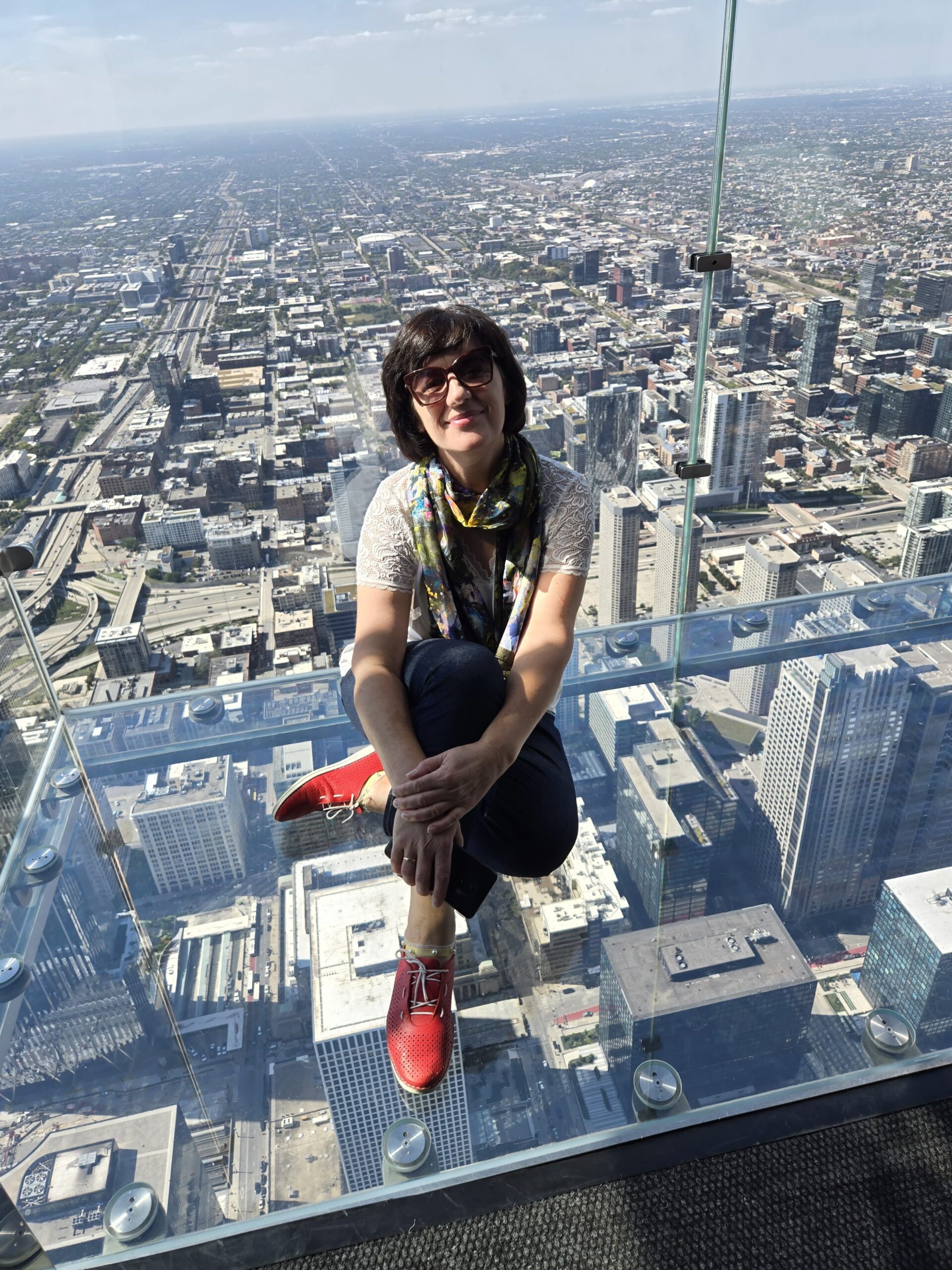
We visited the Greensboro International Civil Rights Museum, the Martin Luther King Jr. National Historic Site in Atlanta, the capital of Georgia, the Georgia Botanical Gardens, Coca-Cola World, and the Georgia Aquarium. I am extremely grateful to the organizers for the opportunity to visit Chicago, the third largest city in the US, to admire the world’s art masterpieces at the Art Institute of Chicago, admire the Cloud Gate and Crown Fountain in Millennium Park, view the city of Chicago not only from the Ferris wheel, but also from the glass balcony on the 103rd floor of the Willis Tower, stroll along the shores of Lake Michigan, and visit many other places. The day trip to the prestigious Duke University and K. Duke Botanical Gardens in Durham was memorable. I enjoyed the autumn scenery on a hiking trip to Hanging Rock Park.
As a representative of a basketball country, I wanted to go to at least one NBA game. And I succeeded! A preseason game between the Memphis Grizzlies and the Charlotte Hornets took place in Greensboro. Charlotte is a city in North Carolina, so like all the other fans around us, we supported the Hornets, and the Hornets won 145-116.
So many things. I am grateful to the US government and Embassy in Lithuania, IREX, UNCG for this unique experience, and to my like-minded colleagues at LAKMA for their support and encouragement.
I want to encourage my colleagues at LAKMA and all teachers – it’s never too late to improve. Dream big, take on challenges, and enjoy new experiences.